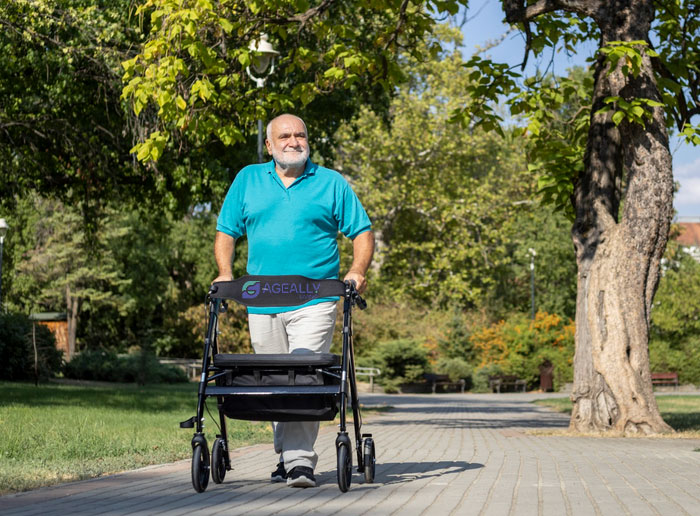
In an imperceptible moment, life’s daily radius often begins to shrink. Routines once taken for granted—a leisurely stroll through the local park, picking up fresh produce at the weekend farmers market, or popping over to visit a neighbor—start demanding far more physical effort and concentration. Minor curbs, subtle inclines, or uneven cobblestones require a level of caution that wasn’t necessary just a short time ago.
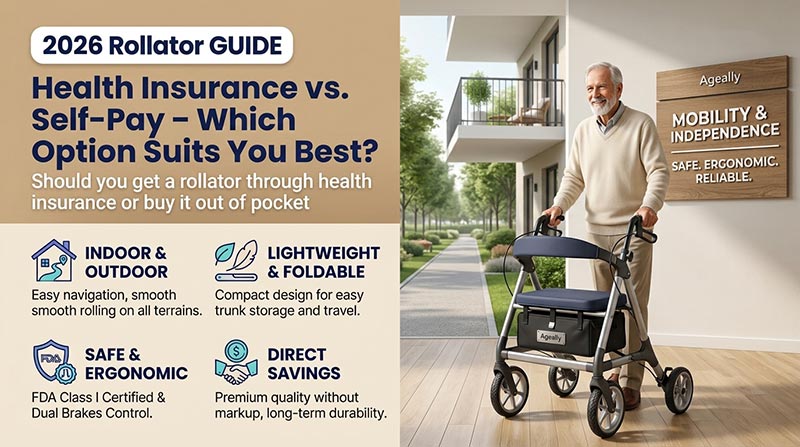
A well-suited rollator can restore that lost sense of security, helping individuals regain their independent stride. However, once you begin navigating doctor’s visits, medical supply store, or health insurance claims, a pivotal question almost immediately arises: Is a standard model covered by statutory health insurance sufficient, or is it better to pay out of pocket for a feature-packed, lightweight alternative?
Navigating terms like “statutory co-payment,” “medical device numbers (HMV-Nummer),” “out-of-pocket upgrades,” and price tags ranging anywhere from €50 to well over €700 often leaves buyers more confused than confident. How much does health insurance actually cover? What genuinely justifies the extra cost of a premium rollator? And how do these technical distinctions play out in everyday life?
As mobility specialists, we take an objective, pragmatic, and real-world approach to this topic. Without pushy sales pitches, this guide cuts through complex jargon to evaluate both routes across safety, portability, emotional well-being, and overall budget—helping you or your loved ones make an informed decision tailored to your specific mobility needs.
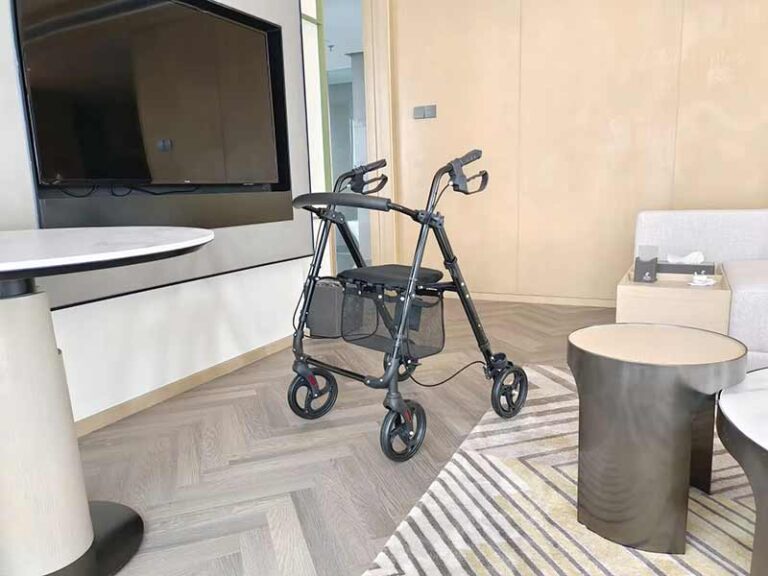
Rollator via Health Insurance: The Path to Standard Care
In most cases, obtaining a rollator starts in a physician’s office. When a treating doctor assesses that a walking aid is medically necessary, they issue a formal prescription. This document serves as the foundation for coverage through statutory health insurance .
Armed with this prescription, patients or their family members contact a medical supply store that collaborates with their insurance provider. From the store’s inventory, users select a standard model listed in the national registry of medical devices. For this basic provision, health insurers typically pay a fixed subsidy of approximately €60 to €100. The user is usually responsible only for a mandatory statutory co-payment of €5 to €10, paid directly at the supply store.
It is important to note the ownership status: a standard rollator provided through health insurance remains the property of the insurer. It is issued on a loan or rental basis and must be returned once it is no longer medically required or the period of use ends.
Technical Characteristics and Specifications
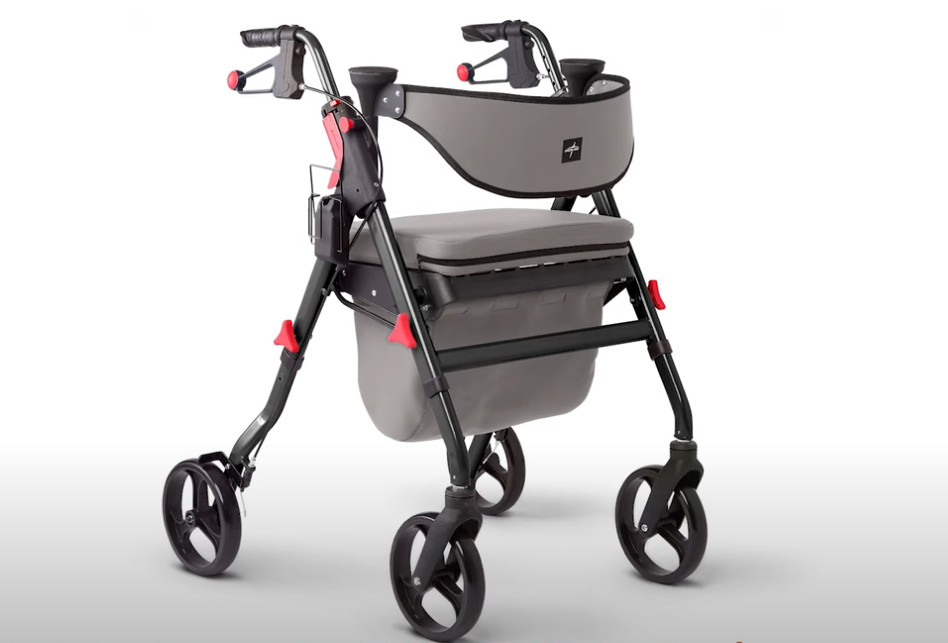
From a technical perspective, insurance-funded rollators are standardized mobility devices engineered for broad usability and cost efficiency. To keep reimbursement expenses predictable, manufacturers rely on traditional materials and basic components:
- Frame Material and Total Weight: Built primarily from heavy-duty tubular steel. While structurally robust, the overall weight typically ranges between 9 and 10 kilograms (20–22 lbs), placing them on the heavier end of the spectrum.
- Tires and Ride Quality: Fitted with hard, solid rubber tires that lack shock-absorbing elasticity. While perfectly functional on flat indoor surfaces, they deliver a firmer, bumpier ride over uneven outdoor terrain.
- Folding and Storage Mechanisms: Feature basic cross-folding or single-direction folding mechanisms. Folding requires noticeable effort, and the collapsed unit remains relatively bulky without the ability to stand upright independently.
- Braking and Safety Features: Equipped with traditional, exposed brake cables. The handbrake levers generally require moderate hand strength to engage or push down into the parking lock position.
Real-World Everyday Limitations
In daily use, standard insurance-covered rollators serve as a reliable “entry-level” mobility solution. They meet all official medical safety regulations and provide low-cost walking support for individuals on a tight budget or those needing temporary assistance.
However, because these models are built primarily to fulfill baseline economic criteria, users often encounter practical limitations during daily activity:
- Physical Strain during Transport: A weight of 9 to 10 kilograms represents a substantial physical hurdle for frail or elderly users. Lifting the front wheels over high door thresholds, maneuvering onto public buses, or stowing the frame into a car trunk often demands significant effort or personal assistance.
- Reduced Outdoor Adaptability: Hard rubber wheels transmit vibrations directly into the user’s wrists and shoulders when navigating cobblestones, gravel paths, or paved sidewalks. The absence of curb-climbing pedals can also make negotiating minor steps frustrating.
- Limited Ergonomic Adjustability: Stock accessories fulfill basic requirements, but offer limited flexibility when adjusting for varying body proportions, ergonomic grip preferences, or navigating tight residential spaces.
In summary, obtaining a rollator through health insurance is a solution designed for basic functional support rather than maximum daily comfort. It effectively prevents falls, but whether it seamlessly fits your active lifestyle depends heavily on where and how often you plan to use it.
Self-Paid Rollators: Enhancing Comfort, Mobility, and Personal Dignity
For many users, the desire for a self-funded rollator does not start on day one, but rather weeks after using a standard insurance-covered model. The realization usually sets in after repeatedly struggling to lift a heavy frame up a flight of stairs, fumbling with a bulky fold on a crowded bus, or feeling joint soreness from rough pavement: True mobility isn’t just about moving from A to B—it’s about effortless handling, physical comfort, and maintaining your personal style.
Purchasing a rollator out of pocket frees you from the rigid specifications of statutory medical device catalogs. Whether buying from a specialist retailer, a medical supply store, or an online shop, buyers can select a model tailored precisely to their physical capabilities, home environment, and personal budget.
Advanced Materials and Ergonomic Upgrades
Premium self-funded rollators derive their core value from advanced materials engineering and thoughtful design details that translate directly into everyday ease and safety:
- Ultra-Lightweight Design (5–7 kg): Crafted from high-grade aluminum alloys or advanced carbon fiber, these frames weigh 30% to 50% less than standard steel models. Even users with limited strength can independently lift their rollator over curbs or hoist it into a vehicle trunk.
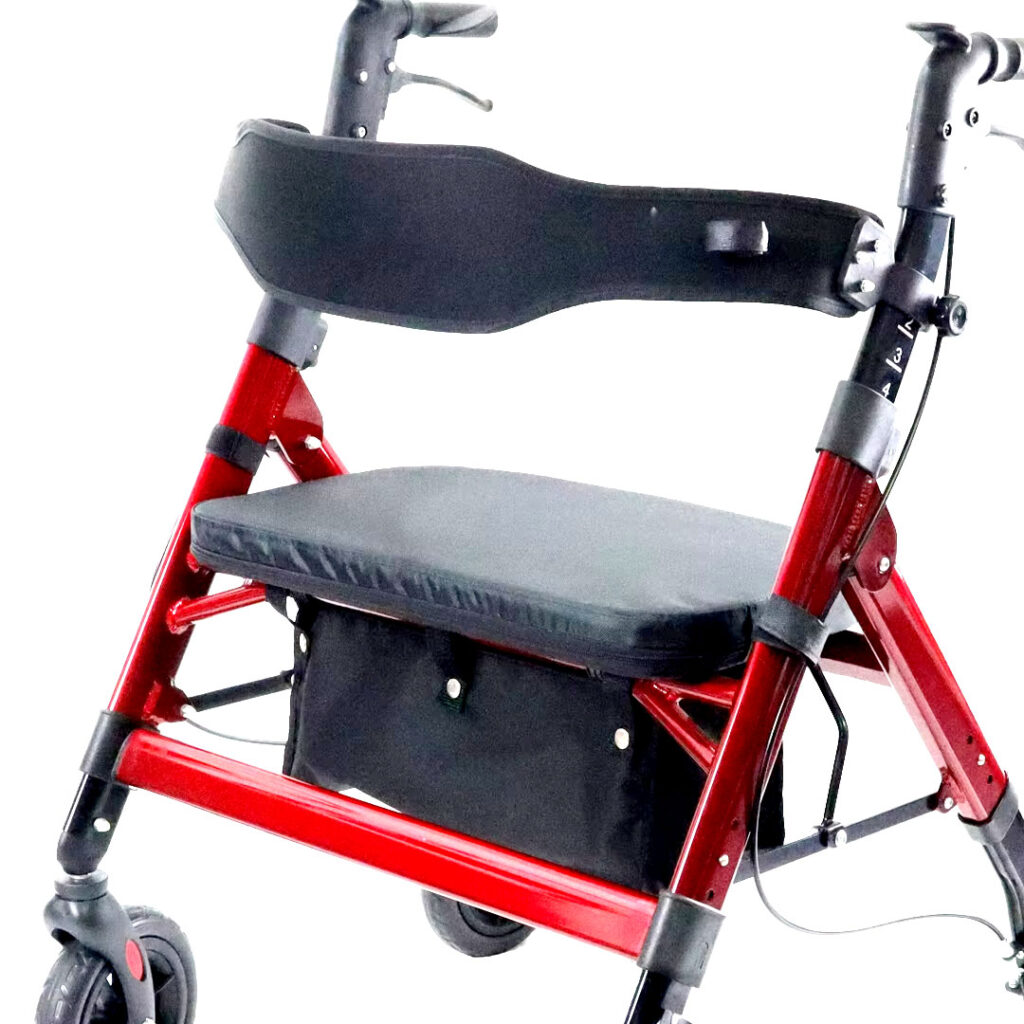
- Internal Cable Routing: Brake lines run entirely inside the frame tubing. This creates a clean, streamlined aesthetic while eliminating the risk of exposed cables snagging on door frames, bushes, or clothing—a subtle yet critical fall-prevention feature.
- Soft-Touch Braking and Curb Climbers: Designed specifically for individuals with arthritis or reduced grip strength, soft-touch handbrakes lock into parking mode with minimal force. Integrated curb-climber pedals allow users to tilt the front wheels over obstacles effortlessly using leverage.
- Shock-Absorbing Tires and One-Touch Standing Fold: Soft polyurethane (PU) or pneumatic air tires absorb road vibrations before they reach the user’s hands and shoulders. Advanced cross-folding mechanisms allow the rollator to collapse compactly with one hand and stand upright on its own, saving valuable space in narrow hallways or at restaurant tables.
Overcoming Stigma and Preserving Dignity
Beyond tangible physical performance, high-end rollators deliver a crucial psychological benefit: preserving personal dignity and independence.
Standard insurance models can carry a clinical, institutional appearance reminiscent of hospital wards. This medicalized look often creates psychological resistance, making seniors hesitant to leave their homes with what feels like a symbol of physical decline. In contrast, modern premium rollators feature sleek, sporty contours, elegant color palettes, and refined leatherette or breathable mesh seating.
Rather than looking like a medical appliance, a modern rollator feels like an active, stylish lifestyle accessory. This visual distinction reduces social self-consciousness, rebuilding confidence and encouraging users to stay active and engaged in their communities.
The Smart Hybrid Route: Prescription Subsidy + Out-of-Pocket Top-Up
While full out-of-pocket prices ranging between €200 and €700 may seem steep at first glance, many buyers overlook a highly advantageous middle path:
If a premium, self-funded rollator carries an official medical device number (HMV-Nummer), you can still obtain a doctor’s prescription. When presenting this prescription at a participating medical supply store, your health insurance will still cover its standard base subsidy (typically €60 to €100), leaving you to pay only the remaining price difference.
This co-payment approach significantly lowers the entry barrier for a top-tier lightweight rollator, blending financial assistance with uncompromised quality of life.
Side-by-Side Comparison: Health Insurance vs. Self-Paid Rollators
To help you evaluate your choices at a glance, the table below breaks down the key differences across financial, technical, and practical dimensions:
Comparison Metric
Standard Insurance Rollator
Premium Self-Paid / Upgrade Rollator
Financial Outlay
Minimal: Insurer covers base cost; user pays a €5–€10 statutory fee.
Moderate to Premium: €200–€700 (Prescription can deduct a €60–€100 base subsidy).
Ownership
Loan/Rental: Remains property of the health insurer; must be returned.
Full Ownership: Owned entirely by the user; no return required.
Weight & Frame
Heavier (approx. 9–10 kg / 20–22 lbs): Traditional steel tube construction.
Ultra-Light (approx. 5–7 kg / 11–15 lbs): High-grade aluminum or carbon fiber.
Safety Details
Basic: External brake cables (snagging risk); firmer handbrake levers.
Advanced: Internal cable routing (snag-free); soft-touch brakes & curb climbers.
Ride Comfort
Firm: Solid rubber tires transmit road vibrations directly to hands/wrists.
Smooth: Soft PU or pneumatic shock-absorbing tires cushion rough terrain.
Folding & Storage
Standard Fold: Bulky when folded; requires manual effort; cannot stand alone.
Compact Fold: One-handed fold; stands upright independently in tight spaces.
Accessories
Basic: Simple wire or net basket; limited weather or privacy protection.
Versatile: Zippered privacy bags, tray tables, cane holders, and reflectors.
Design & Perception
Institutional: Clinical appearance; can trigger social hesitancy.
Modern & Sporty: Stylish colors and sleeker lines that promote confidence.
Service & Fitting
Standard Fitting: Covered repairs via contracted supplier; limited model choices.
Custom Fitting: In-store test drives, custom handle adjustment, and brand warranties.
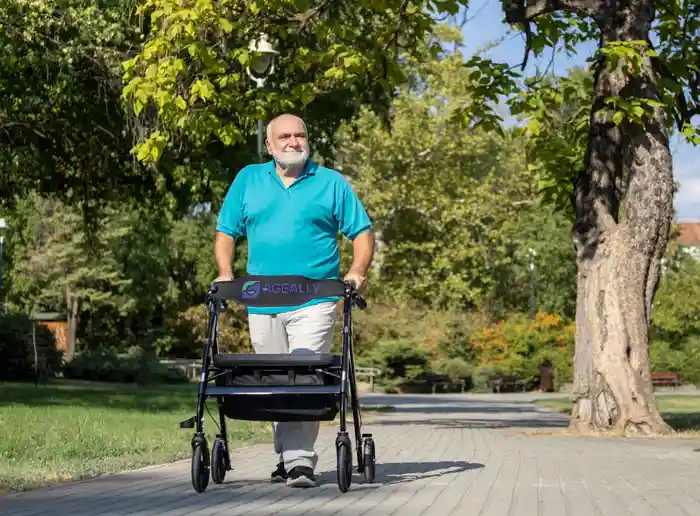
4-Step Decision Guide: Which Option Best Fits Your Situation?
Selecting the right rollator isn’t about finding the most expensive model on the market—it’s about matching a device to the user’s physical capabilities, daily environment, and personal preferences. Follow these four steps to guide your choice:
Step 1: Assess Physical Strength and Grip Capability
Evaluate the user’s current physical strength and hand mobility:
- Key Questions: Can the user comfortably lift a 10 kg (22 lb) object without assistance? Do they experience hand arthritis, reduced grip strength, or tremors? Can they easily engage a firm parking brake?
- Recommendation:
- If physical strength is intact and the rollator serves primarily as a steadying aid, a standard insurance model is fully sufficient.
- If the user tires easily or has weakened grip strength, an ultra-lightweight self-paid model (5–7 kg) with soft-touch brakes is strongly recommended. An overly heavy frame can quickly become a safety hazard rather than a mobility aid.
Step 2: Evaluate Primary Daily Usage and Terrain
Where the rollator will be used dictates necessary frame materials, tire types, and maneuvering features:
- Key Questions: Will the rollator stay mostly indoors, or will it be used daily outdoors across gravel paths, cobblestones, park slopes, or high curbs?
- Recommendation:
- Low-frequency / Indoor use: A standard insurance rollator manages flat indoor floors and occasional errands well.
High-frequency / Outdoor use: A self-paid rollator featuring shock-absorbing tires, internal brake cables, and curb-climber pedals provides far greater comfort and safety on unpredictable surfaces.
Step 3: Factor in Spatial Constraints and Transportation
Consider how the rollator will be stored and transported throughout the day:
- Key Questions: Are home doorways, hallways, or elevators narrow? Will the rollator frequently need to be folded and loaded into a car trunk or taken onto public transit?
- Recommendation:
- If living spaces are generous and vehicle transport is rare, a heavier standard model presents few storage problems.
- If living in tight quarters or traveling frequently by car or bus, a compact, self-standing lightweight model eliminates heavy lifting and awkward handling.
Step 4: Balance Emotional Comfort and Household Budget
A mobility aid must feel welcoming to the person using it:
- Key Questions: Does the user feel self-conscious using a clinical-looking device? What is the family’s financial plan for mobility equipment?
- Recommendation:
- Strict Budget Focus: Opt for the health insurance route (€5–€10 out of pocket) to solve fundamental mobility needs at minimal cost.
- Quality of Life Focus: If institutional styling discourages your loved one from leaving the house, a stylish, modern rollator can be a vital catalyst for social engagement. Utilizing the “prescription subsidy + partial self-pay” option (typically €150–€500 net cost) strikes the ideal balance between high performance and financial practicality.
Conclusion & Recommended Next Steps
When choosing a rollator, there is no universally “right” or “wrong” path—only what is right for your unique lifestyle. Standard rollators provided by health insurance guarantee an affordable safety net, ensuring anyone in need receives reliable fall prevention. On the other hand, self-paid or upgraded lightweight models take mobility a step further, placing portability, outdoor comfort, safety details, and personal dignity at the forefront.
If you or a family member are deciding on the best way forward, consider these practical next steps:
- Consult Your Physician: Discuss current mobility challenges with your doctor to determine if a formal prescription for a walking aid is appropriate.
- Test Drive Models In-Person: Visit a local medical supply store to try out different frame weights, practice engaging the parking brakes, and test curb-climbing pedals. Be sure to have a specialist adjust the handle height to match wrist level—proper height alignment prevents slumping and avoids shoulder strain.