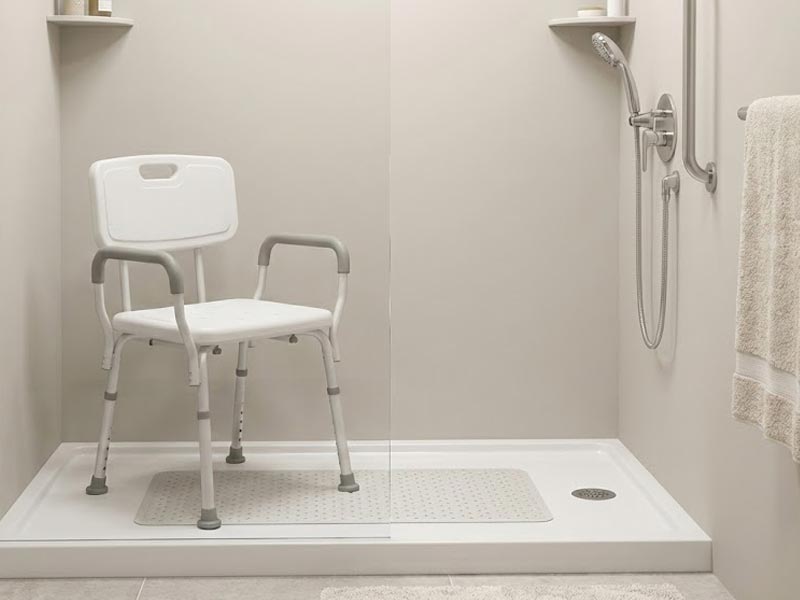

The shower is a basic activity in daily life, but for many people, especially the elderly, those with limited mobility, or those recovering from illness, the bathroom can be one of the most risky areas in the home. Smooth floors and movements that require standing and balancing can all lead to serious falls and injuries. It is in this context that the Shower Chair comes into being. It is not just a bathroom accessory, but a key auxiliary device for ensuring bathroom safety and improving the quality of life.

What is a Shower Chair?
A Shower Chair, sometimes also called a Bath Stool or Tub Transfer Bench, is an assistive device specifically designed for wet environments. They are usually made of corrosion-resistant materials such as high-strength plastic or rust-resistant aluminium alloy to ensure long-term use in water vapor.
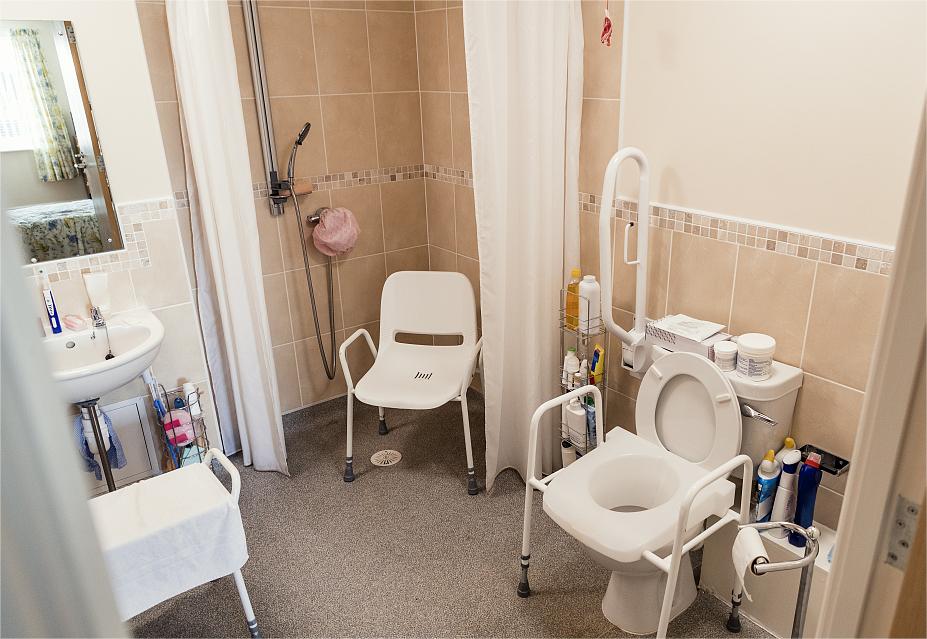
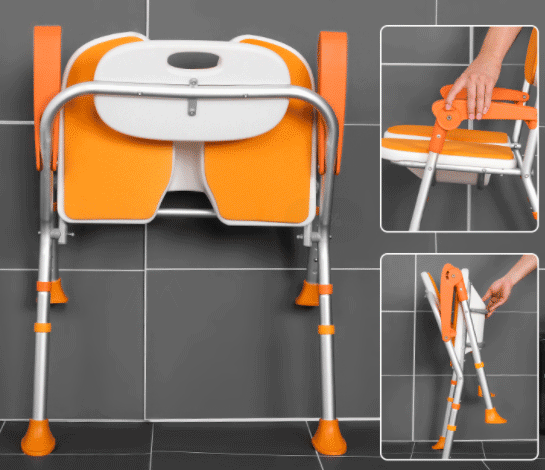
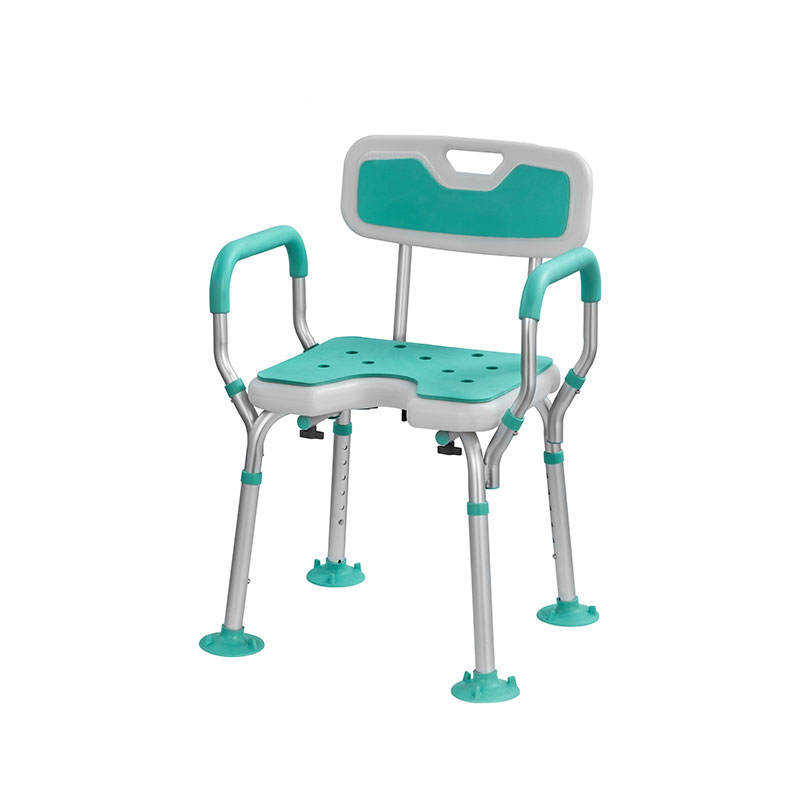
The signature features of a shower chair include: drainage holes on the seat to prevent water accumulation, and anti-slip rubber foot pads (or suction cups) on the chair legs to ensure absolute stability on a smooth floor. They typically have height-adjustable features to accommodate the needs of different users and different shower Spaces.
The Main Purpose of Shower Chairs
The core purpose of a shower chair can be summed up as providing a stable, safe alternative to standing in dangerous bathroom Settings. The bathroom is the area with the highest risk of falling in the home, especially for people with limited mobility.
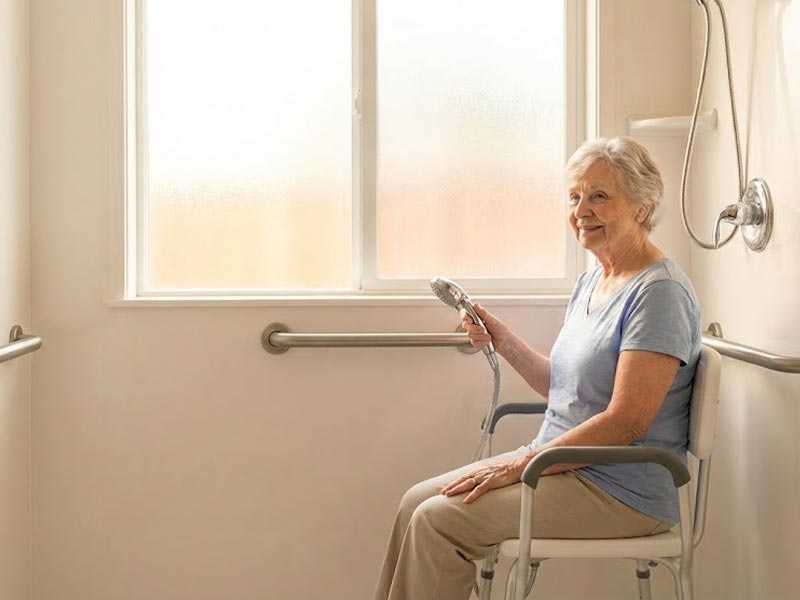
Shower chairs completely eliminate the need for users to keep their balance and stand for long periods on a slippery floor by allowing them to take a bath while sitting. In short, it transforms the physical activity of bathing into a relaxed sitting activity, making the shower more reliable and safe:
1. Preventing falls: This is the primary purpose, to protect the user from serious injuries resulting from slipping or losing balance.
2. Save energy: Allow users with fatigue, cardiovascular disease, or chronic pain to conserve energy.
3. Enhanced independence: Allowing users to complete personal hygiene independently, maintaining dignity, and reducing the burden on caregivers.
Simple case: John Mitchell, 72, suffering from the aftereffects of a minor stroke, with weakness in his right leg. He found himself unable to stand and take a full bath safely. After using the shower chair, he was able to sit steadily on it, with his feet touching the ground smoothly and a towel easily reaching all parts of his body, no longer having to wait nervously outside the bathroom for his daughter, and successfully regained the ability to bathe independently.
Medical and Health Applications
In addition to basic safety features, shower chairs play an indispensable role in medical and rehabilitation fields. It’s not just a convenience, but an essential medical assistive device that doctors and occupational therapists have carefully recommended for you.
Supporting Specific Medical Conditions
For people with chronic diseases that affect movement and balance, a shower chair is key to continuous care. Individuals with Parkinson’s disease, multiple sclerosis (MS), or severe arthritis often face muscle stiffness, tremors, or pain, which makes standing for long showers dangerous and painful.
In this case, the shower chair provides a stable sitting position, allowing the user to complete the bath in a completely relaxed state, avoiding muscle cramps and aggravated pain caused by trying to balance the body. It turns bathing from a torture into an essential part of managing symptoms and maintaining daily hygiene.
Essential Aid for Recovery and Rehabilitation
For patients undergoing postoperative recovery or recovering from a serious injury, a shower chair is an ideal tool to comply with medical restrictions. For example, patients who have undergone hip or knee replacement surgery, spinal surgery, and fractures of the leg or ankle are often restricted to weight-bearing or large movements in the early stages of recovery. Shower chairs allow patients to safely enter the shower room (especially in conjunction with transfer benches) and complete the shower without applying pressure to the surgical site.
Simple case: Henry Williams with a leg cast after a car accident. The shower chair allowed him to sit on the chair and safely raise or place the leg plaster outside the shower area, which greatly facilitated the recovery process while keeping the body clean and preventing the plaster from getting wet. Occupational therapists see it as an important part of Henry Williams’ family rehabilitation program.
Effective Fatigue Management
Managing energy expenditure from daily activities is crucial for people with chronic fatigue problems or limited physical reserves. People with chronic fatigue syndrome, cardiopulmonary dysfunction (such as COPD), or undergoing chemotherapy for cancer have found that standing while bathing can deplete their energy rapidly, potentially leading to dizziness, weakness, and even fainting.
Shower chairs provide a place to rest, allowing users to save the energy consumed during bathing and reserve it for more important activities of the day, such as eating or walking. This “energy conservation” strategy not only enhances safety during bathing but also improves their overall quality of life and self-care ability.
Independence and Personal Dignity
The function of a shower chair is not limited to physical support; it is equally important on the psychological and emotional levels, directly related to the user’s quality of life and sense of self-worth.
Preserving Personal Independence
Being able to perform personal hygiene independently is the foundation of maintaining personal dignity. For many people with mobility issues, asking for help to take a bath can be embarrassing and frustrating.
By providing a stable and reliable seat, shower chairs allow users to regain control of the entire bathing process – from adjusting the water temperature to the rhythm of cleaning the body. This autonomy is crucial for mental health and effectively reduces the frustration and shame resulting from dependence on others.
Practical scenario: Margaret Clark is a 75-year-old visually impaired elderly person. In the past, a caregiver was needed to stand outside the shower room to guide and be ready to help at any time. Now she can safely sit in the shower chair and do her own body cleaning in a simple way.
This makes her feel that she is still an “independent adult” rather than a patient who needs care completely, and this recovery of confidence is far more valuable than the shower chair itself.
Reducing Caregiver Burden
Shower chairs are also a powerful tool for reducing the physical and mental burden on both family and professional caregivers. When a person in need of help stands on a slippery floor, caregivers have to take on a huge risk and physical exertion to support, move, and clean them. This operation is often laborious and unsafe, and can easily cause caregivers to strain their backs.
Simple case: Helen King needs to care for her husband who has severe osteoporosis. Previously, helping her husband in and out of the shower was exhausting for her. Since using the wheeled shower transfer chair, she only needs to push her husband from the bedroom to the bathroom and lock him smoothly in the shower.
This way, she can clean her husband more easily from all angles, avoiding the risk of lifting him by hand, making the care process more efficient and safer, and reducing much friction in the couple’s relationship due to physical exhaustion.
Comfort and Better Hygiene
The shower chair is not only a safety device, but also a key to improving personal hygiene quality and comfort. When bathing is no longer a dangerous “task,” but becomes a relaxing experience, hygiene naturally becomes more thorough.
More Comfortable and Thorough with Shower Chair
By eliminating the discomfort and stress of standing, the shower chair allows users to truly enjoy the bathing process and ensures more meticulous cleaning.
When a person is tired or in pain from standing for a long time, they often rush to finish the bath, resulting in perfunctory cleaning. A shower chair provides a steady, relaxed position on which the user can sit and wash at their own pace. This is especially important for people with back pain, arthritis, or weak knees, as it eliminates excessive pressure on the lower body.

Practical scenarios: Many elderly people often neglect cleaning between their toes or on their calves to avoid bending over on slippery floors. With a shower chair, they can safely lift or extend their feet forward without worrying about losing balance, and thus easily reach and thoroughly clean their entire body.
The drainage hole design on some of the shower chair seats also ensures that water doesn’t accumulate on the seats, further enhancing comfort and hygiene. As a result, the shower chair transforms bathing from a strenuous challenge into a comfortable, comprehensive and efficient process of cleaning and relaxing.
Who Benefits from Shower Chair the Most
While anyone seeking bathroom safety can benefit from a shower chair, it is a vital necessity for the following specific groups of people.
Seniors: Balance, muscle strength and reaction speed all decline with age. Seniors are at high risk of falling at home. Shower chairs provide them with a consistently stable resting spot, significantly reducing the risk of slipping due to dizziness, weak legs or instability. It makes bathing no longer a terrifying challenge, but a routine activity that can be handled with ease.
Those in Rehabilitation: Any temporary or permanent limitation of mobility, such as hip or knee replacement surgery, a severe leg fracture, or recovery from a stroke, requires strict control of physical activity during rehabilitation. Shower chairs allow these individuals to maintain personal hygiene without violating medical advice, such as not bearing weight or avoiding excessive bending. It acts as a “stand-in” for doctors and caregivers, ensuring safety compliance in the rehabilitation setting.
Individuals with Chronic Conditions: People with multiple sclerosis, Parkinson’s disease, fibromyalgia, chronic fatigue syndrome, or cardiopulmonary disease, bathing often leaves them exhausted. Shower chairs are a key tool for them to manage their energy. By taking a shower while sitting, they can save energy, avoid falls caused by fatigue, and use their limited energy reserves for more important activities of the day.
In addition, for obese people, shower chairs can also relieve the huge pressure on joints caused by standing for a long time.
In a summary, the design concept of the shower chair is simple yet profound: transforming the high-risk area of the bathroom into a safe, comfortable private space. It is not just a tool to prevent falls, but a key to ensuring the independence, dignity and overall hygiene of people with mobility issues. For those who need it, the peace of mind and improvement in quality of life brought by a proper shower chair cannot be measured by price.