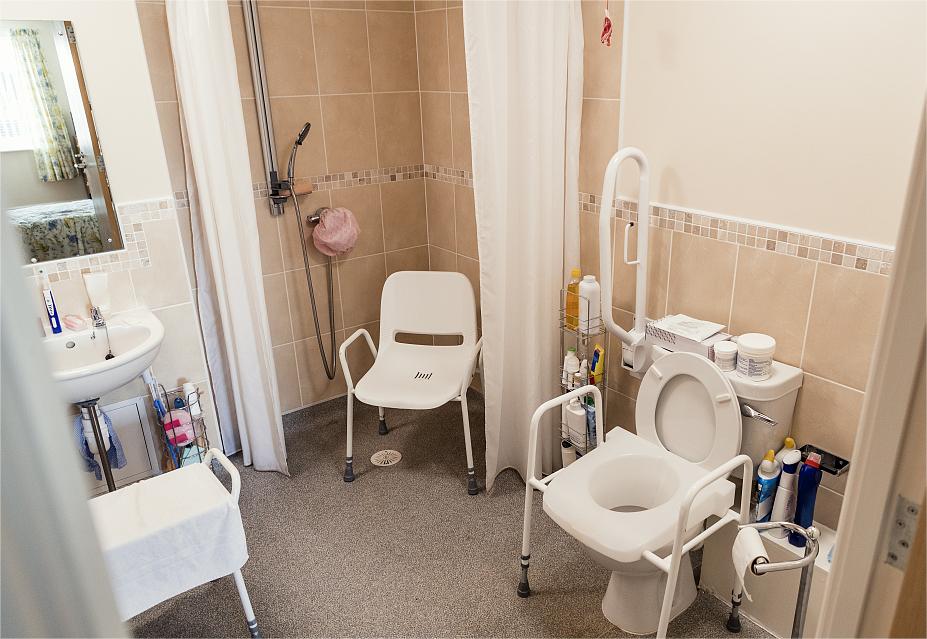
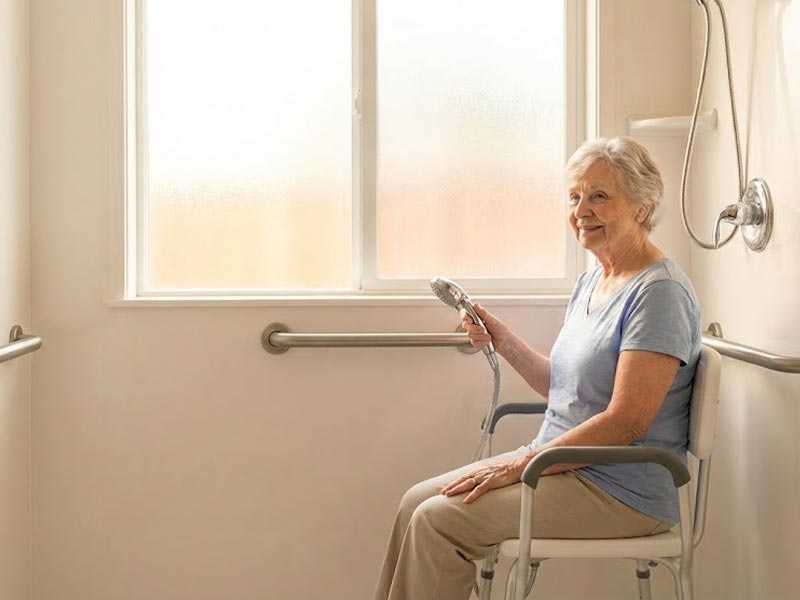
Bathing should be a relaxing and invigorating experience, but for many people with limited mobility, the wet floor of the bathroom and the need to stand pose a huge safety challenge. A Shower Chair is a simple but crucial mobility aid that allows the user to sit down safely while bathing.
The audience for mobility aid is very wide, including the elderly, people with disabilities, those recovering from surgery or injury, and anyone who feels unstable or underpowered while standing in a shower. The shower chair transforms a potentially dangerous environment into a safe, supportive personal hygiene space.
Shower Chair Primary Safety Benefits
In terms of home safety, bathrooms are often regarded as the area with the highest accident rate. Slippery floors, water stains and limited grip points make standing showers a major cause of falls. As people expect to age safely and gracefully in their own homes, the importance of shower chairs in enhancing bathroom safety is growing. It’s more than just a comfort facility; For many, it is key to staying independent, avoiding serious injuries and ensuring that daily hygiene habits are maintained.
The most fundamental advantage of a shower chair is its unparalleled safety guarantee. It serves as the last line of defense against accidents in a slippery bathroom environment.
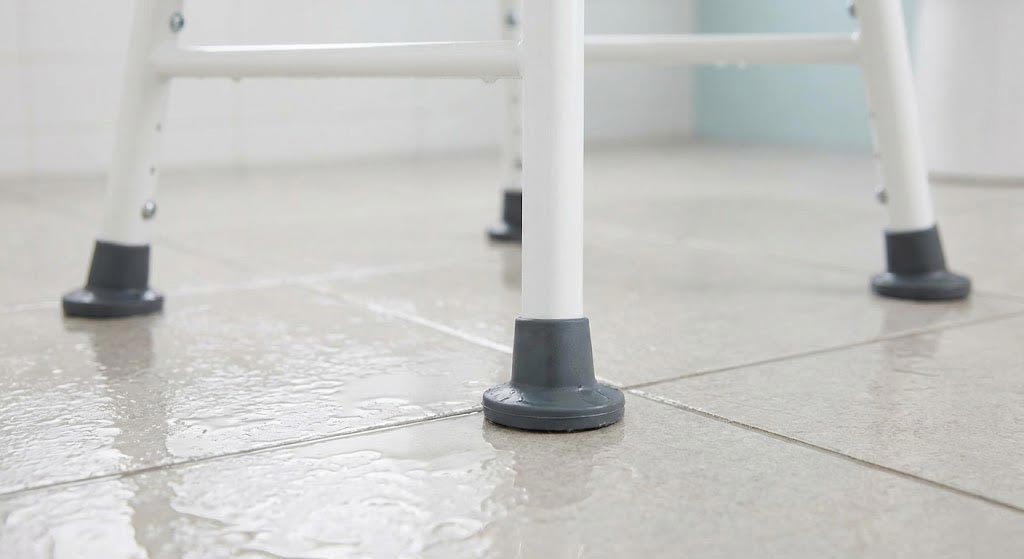
A. Fall Prevention
Wet, smooth floors are the most dangerous factor in a bathroom. Standing showers are no different from a risk for people with poor balance or leg strength.
- Reduce slip risk: The shower chair provides a dry, stable sitting position point, completely eliminating the risk of slipping and falling due to loss of balance while taking a shower.
- Providing stability support: Ageally‘s customer case: Robert Michael Davis is an elderly person with Parkinson’s disease, and standing showers are highly dangerous due to unsteady gait and tremors. After using the shower chair, they were able to sit down safely and focus on personal cleaning rather than constantly worrying about falling. His family bought the anti-slip shower chair from our distributor. After three months of use, it greatly reduced the need for excessive assistance from his family. The elderly man said that independent bathing gave him more free space and he no longer had to worry about not being able to express his will.
- Key safety assurance: This stable sitting posture is a crucial safety measure for people with limited mobility or poor balance.
B. Stability and Support
Shower chairs provide continuous, reliable physical support throughout the bathing process. Common shower chairs are made of high-strength aluminium alloy and can support more than 100kg of weight while ensuring the stability of the chair when the user shakes slightly.
- Sustained support: The chair provides consistent support as you rinse your body, wipe, or take items, avoiding the wobbling that may occur when you stand on one leg or bend over.
- Improving balance: Case: A patient recovering from hip replacement surgery had difficulty bearing weight on one leg during the early recovery stage. Shower chairs allow them to bathe safely without putting extra pressure on the injured leg, avoiding the risk of imbalance.
- Creating a safe environment: It allows the user to relax and not have to be nervous to maintain a standing position, thereby essentially creating a safer and more reassuring bathing environment.
Physical Comfort and Health with Shower Chair
In addition to safety, shower chairs also directly improve the physical comfort and overall health of users.
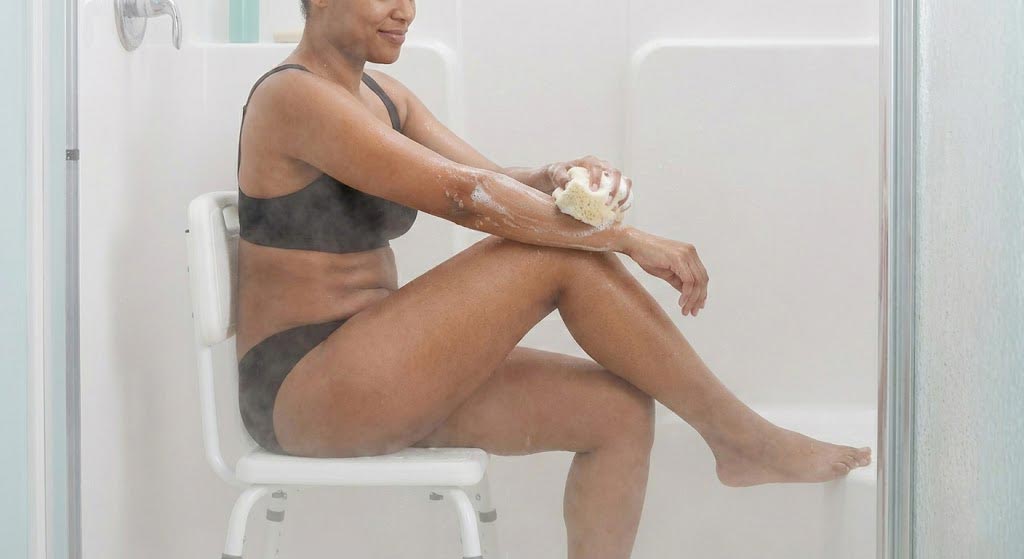
A. Reduced Fatigue
Standing showers, even for just a few minutes, can be a huge burden for people with limited physical strength.
- Eliminating the need to stand for long periods: Shower chairs allow users to sit through the entire shower process, thus eliminating the need to stand for long periods.
- Save energy: James Edward Miller, a user of Ageally in Spain, is a person with chronic obstructive pulmonary disease (COPD) or congestive heart failure and has very limited energy reserves. His family bought him our bath chair, which James says is soft to sit on and has a V-shaped cushion that fits his hips and significantly saves energy, and he really enjoys the quiet bathing atmosphere.
- Reduced physical exertion: Taking a shower is no longer an exhausting task for people with chronic fatigue syndrome or other debilitating conditions.
B. Reduced Physical Strain (lighten the body strain)
Shower chairs help protect joints and muscles and are particularly suitable for people who are physically vulnerable.
- Relieve joint pressure: Sitting can relieve pressure on your knees, legs, and back. This is especially beneficial for people with arthritis or serious bone and joint problems.
- Helping with postoperative recovery: Ageally research found that after spinal fusion surgery, doctors strictly limit their body bending and twisting. The shower chair provides a stable platform that allows them to complete personal cleansing without adding pressure to their back, assisting in the recovery process.
- Adapt to physical limitations: Whether temporary or permanent, shower chairs offer users a painless, comfortable way to clean.
Give You More Independence and Dignity
For many people with limited mobility, the most valuable benefit of a shower chair is maintaining personal independence and dignity. It puts daily hygiene back in the hands of the user.
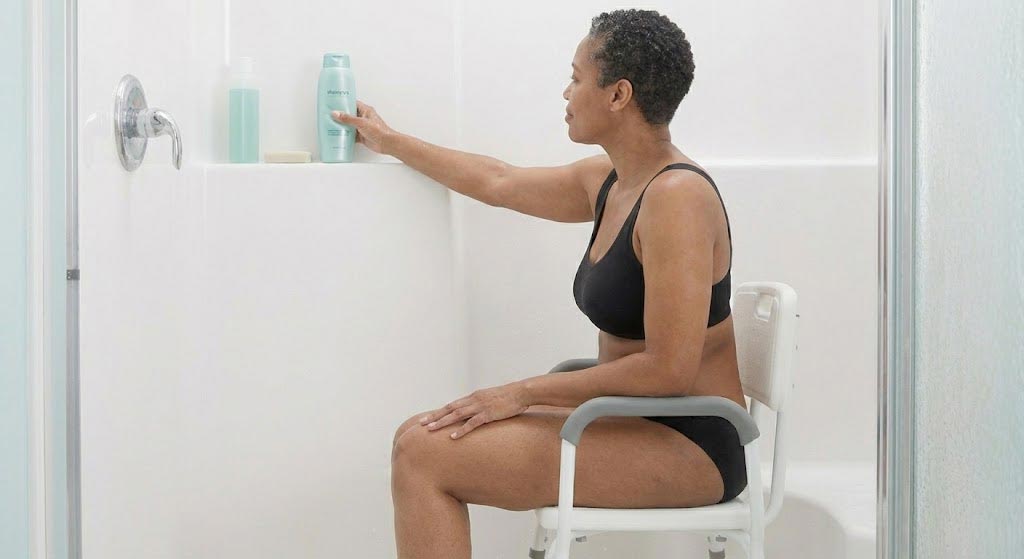
A. Enhanced Personal Autonomy
The need for help with daily care can be frustrating and uncomfortable. Shower chairs are designed to minimize dependence on others.
- No need for caregiver assistance: When a person is able to take a bath safely sitting down, they can usually complete steps such as cleaning, washing hair, and rinsing independently. This allows users to complete the most private personal care activities without relying on the help of a caregiver or relative.
- Privacy protection: Shower chairs allow users to perform personal cleaning while maintaining their privacy and dignity. Case: A frail elderly person found it very embarrassing to have adult children assist with bathing. After using the shower chair, they were able to do it themselves, thus protecting personal boundaries.
- Boosting confidence: This ability to handle daily tasks on one’s own greatly enhances the user’s self-reliance and self-confidence, and is equally important for mental health.
B. Improved Quality of Life
The Shower Chair’s ability to easily maintain personal hygiene habits is the cornerstone of a high quality of life.
- Continuous personal hygiene: The shower chair ensures that personal hygiene habits can be maintained consistently and regularly, which is not only crucial for physical health, but also has a positive impact on social activities and self-perception.
- Retain a sense of independence: Personal independence may gradually diminish as one ages or the effects of chronic illness. Shower chairs help users maintain their sense of independence at all stages of life by giving them control over basic daily activities.
- Reducing dependence on others: Case: A paraplegic found it easier and safer to move from a wheelchair to a shower chair than to a bathtub. This allows them to take more frequent, spontaneous baths without having to wait for a caregiver or complex equipment, reducing reliance on others’ schedules.
Improved Hygiene With Shower Chair

Shower chairs directly promote better personal hygiene habits by enhancing convenience and safety. When bathing becomes easy and less frightening, people will naturally be more willing to do it regularly.
- Achieve thorough cleaning: Sitting position allows users to be more stable and relaxed, enabling them to clean more thoroughly and comfortably. The user can wash their hair and body in an orderly manner, ensuring that every part is thoroughly cleaned and rinsed. Common chairs have more frame and height limitations, making it difficult for the user to perform actions such as turning around, scrubbing, and slightly bending over while sitting.
- Easy access to the whole body: For those who have difficulty bending over, twisting their bodies, or lifting their legs, standing showers make it very difficult to reach the feet, back, or some hidden parts of the body. Shower chairs make these difficult areas more accessible by providing a stable sitting position.
- Encourage regular bathing: Many people unconsciously reduce the frequency of bathing when the bathing process is filled with discomfort, pain, or fear of falling. Shower chairs remove these barriers and make bathing easier, thereby encouraging more regular personal hygiene habits.
- Reducing the risk of “skipping” showers: Case: A person with severe rheumatoid arthritis who used to skip showers frequently out of fear of slipping and joint pain while standing. After using a shower chair, they were able to take a bath safely and painlessly, significantly reducing the risk of neglecting personal hygiene due to difficulty or fear.
Who is Suitable For Using a Shower Chair
Shower chairs are versatile assistive tools that benefit people of all ages and physical conditions.
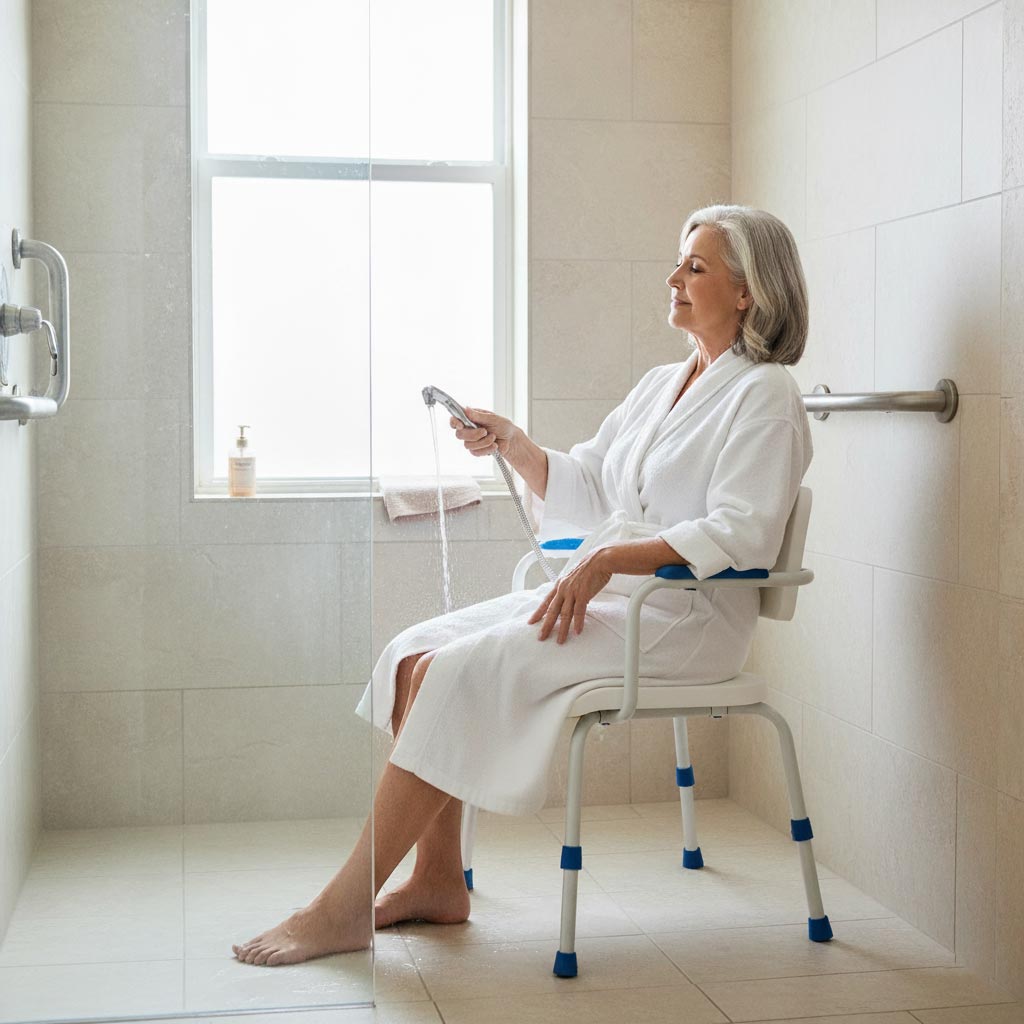
A. Seniors and Elderly
As the body ages naturally, both balance and muscle strength will gradually decline.
- Dealing with natural aging: As you age, the physical strength required to stand for a few minutes on a slippery surface may become difficult to maintain. A shower chair provides a reliable resting spot for the elderly and is an essential item in the elderly bathroom safety toolkit.
- Dealing with common frailty: Case: Mary Elizabeth Jones, an 85-year-old grandma who is in good overall health but has limited leg endurance, uses a shower chair to allow her to take a bath every day without the risk of falling.
B. Individuals with Disabilities
Any long-term condition that affects movement coordination or balance will make a shower chair necessary.
- Mobility disorders: Whether it’s a permanent mobility disorder (such as muscular dystrophy, multiple sclerosis) or a chronic condition that affects balance (such as the recovery period after a stroke), a shower chair provides stable support to compensate for the body’s deficiencies.
- Wheelchair users: Certain designs of shower chairs (such as transfer chairs) are indispensable transitional tools for wheelchair users who need to safely move from their wheelchairs to the shower area.
C. Post-Surgery or Injury Recovery (post-surgery or injury recovery)
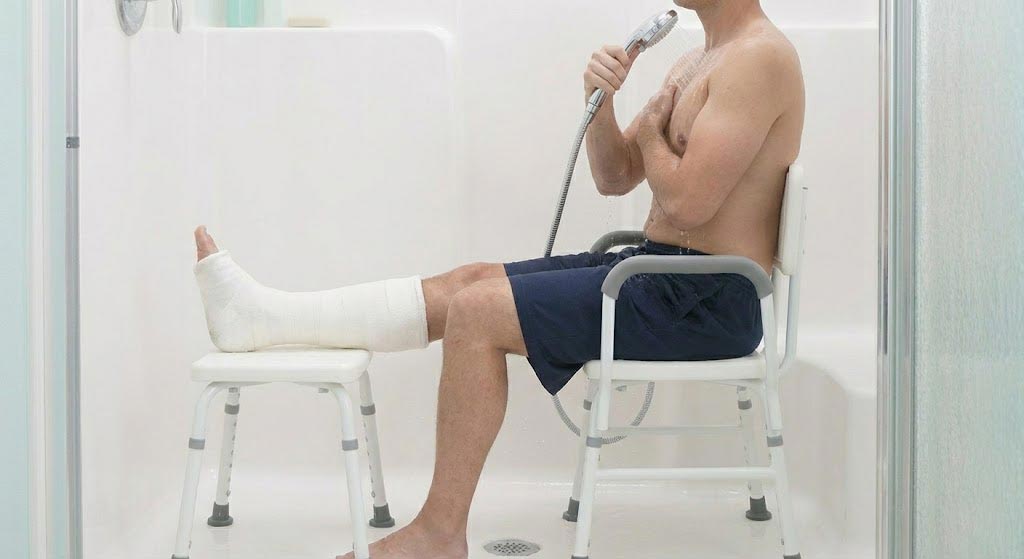
Shower chairs offer a temporary solution during physical recovery.
- Temporary solution: Whether it’s knee surgery, an ankle sprain or a back strain, a shower chair can safely maintain daily cleaning while the user avoids putting pressure on the injury.
- Supporting the recovery process: Case: A patient with a foot fracture had to keep the plaster cast dry and not bear weight during the recovery period. Shower chairs allow them to sit, extend or raise the injured leg to ensure that the plaster does not get wet, thereby supporting the healing process.
D. Pregnant Women
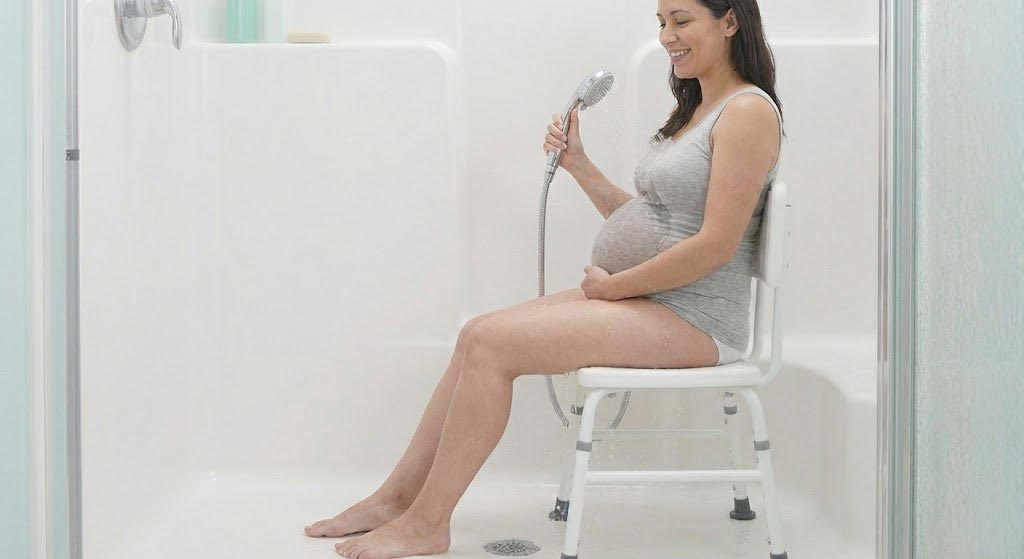
While usually only temporarily, pregnant women also benefit from shower chairs in the later stages of pregnancy.
- Provide stability: In the later stages of pregnancy, the body’s center of gravity changes, resulting in a reduced sense of balance. Standing for long periods of time can also cause swelling or fatigue. Shower chairs provide a safe sitting position and reduce the risk of accidental falls due to changes in the center of gravity.
Shower chair Versatility and Customization
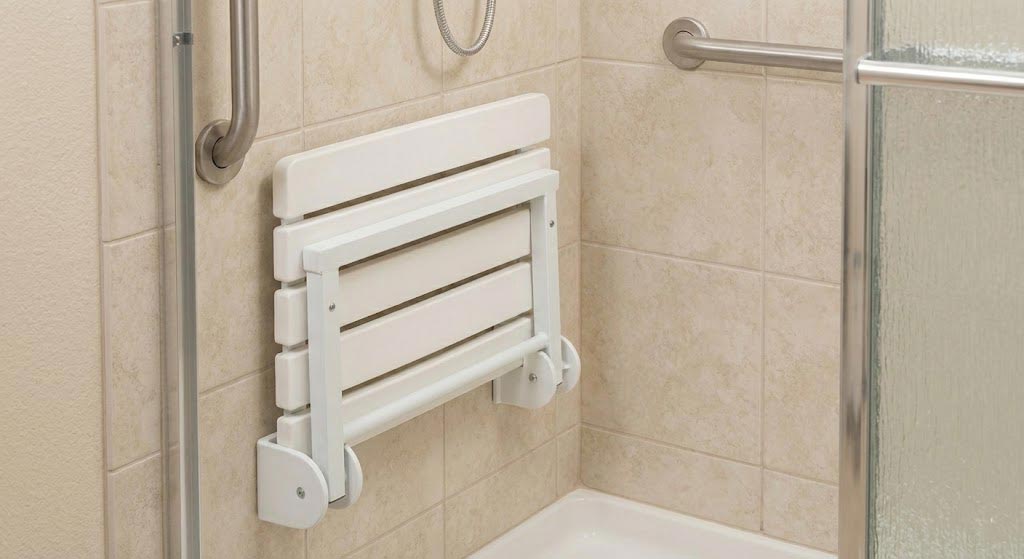
Shower chairs are not a one-size-fits-all product. There are a wide variety of designs and features on the market, ensuring that everyone can find the device that best suits their unique needs and bathroom layout.
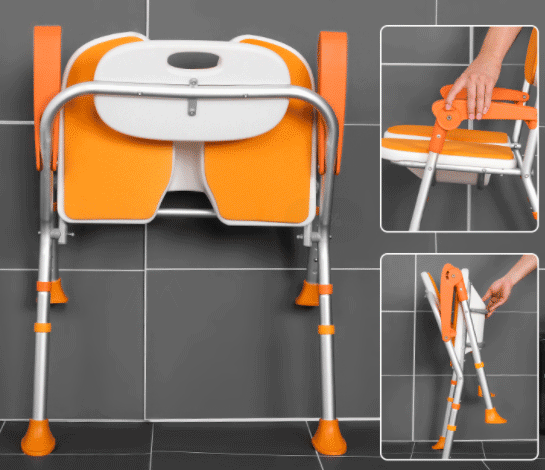
- A wide range of design options: From lightweight freestanding chairs (with or without backrests and armrests), to transfer benches that can span the edge of the bathtub, and to wall-mounted seats that can be folded to save space, shower chairs come in various styles. Case: For small bathrooms, foldable wall-mounted seats can maximize the use of space; A transfer bench is ideal for wheelchair users who need to move over a larger area.
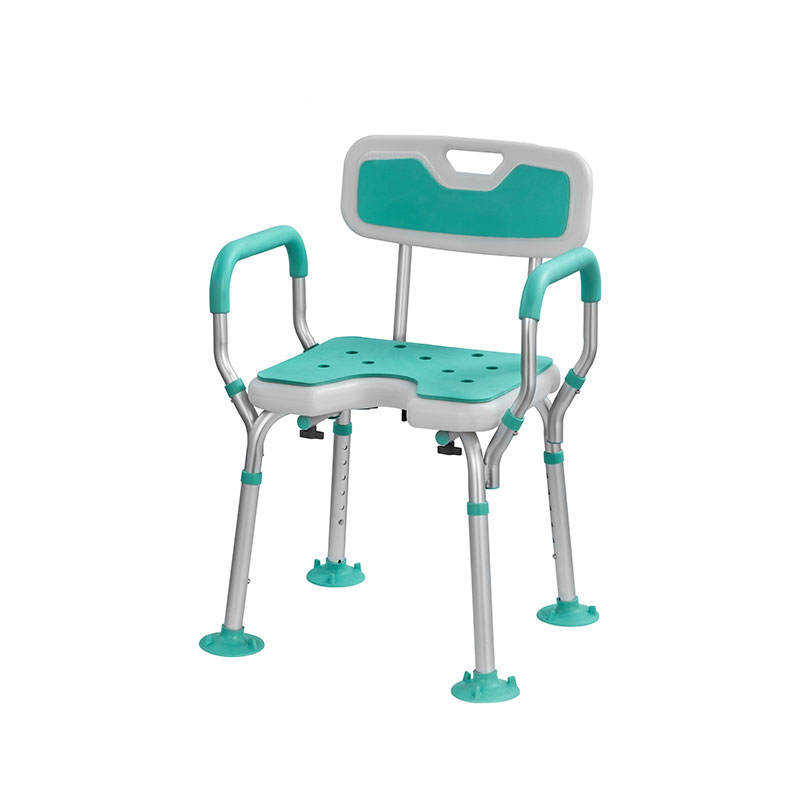
- Adjustable features: Many shower chairs come with height-adjustable legs and adjustable backrest angles for personalized comfort and optimal transfer height. This customizability ensures that the user can adjust the chair according to their height and physical limitations.
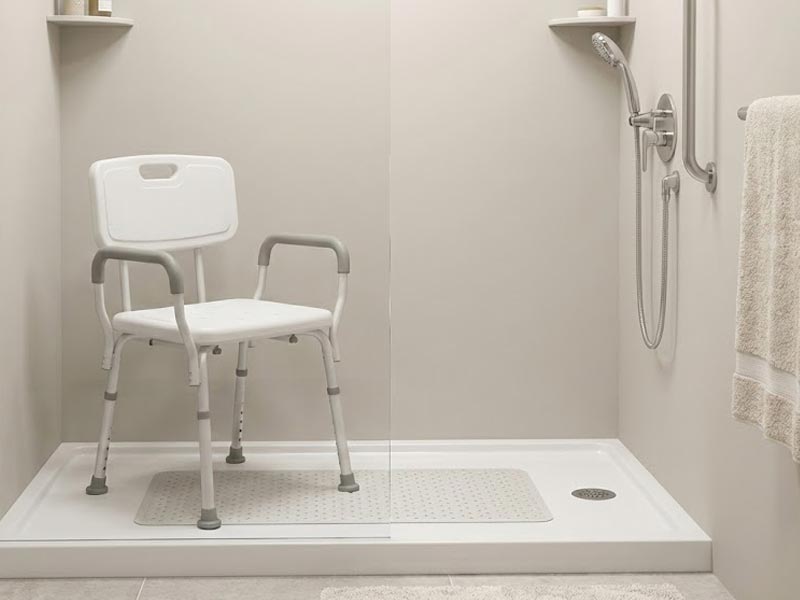
- Adapt to different bathroom configurations: Whether you have a walk-in shower, a shower enclosure with glass doors, or a high-edge bathtub, there are specially designed shower chairs that can be safely installed and used to fit specific bathroom configurations.
Meet special medical needs: Some high-end models come with additional features such as a wheeled design (which can be used as a shower and portable toilet chair) or special anti-slip and drainage hole designs that better meet specific medical and safety requirements.
Caregiver Support (Caregivers Support)
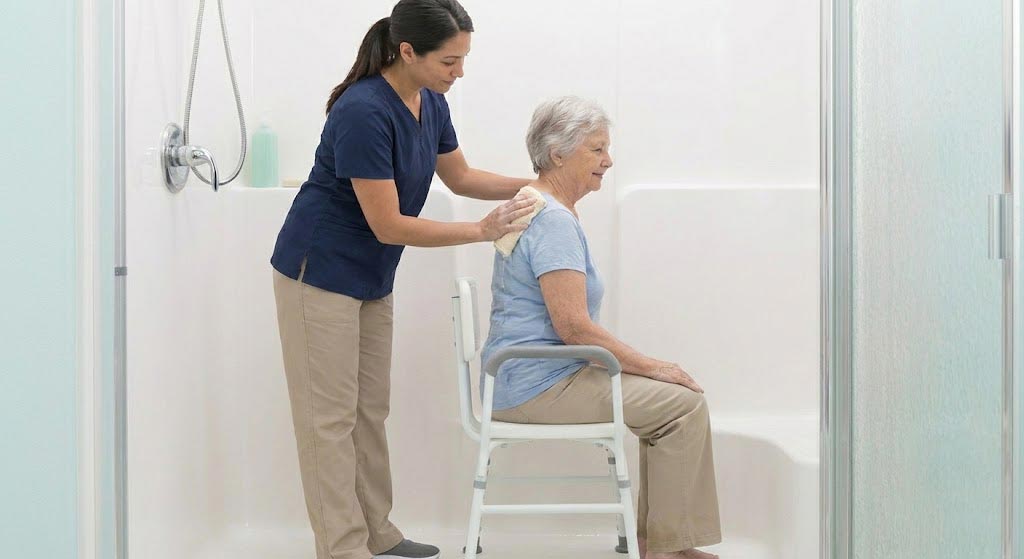
The shower chair is not only an assistive tool designed for the user, but also offers great convenience and safety advantages for family members or professional caregivers who assist with personal care.
- Reducing the physical burden on caregivers: Assisting a person to stand, turn, or keep balance in a slippery environment requires a lot of physical effort. Shower chairs allow the user to sit down, significantly reducing the number of times caregivers need to lift, support, or stabilize the user, thereby reducing back and joint strain for caregivers.
- Enhanced safety for assisted bathing: When the user is in a safe and stable sitting position, caregivers can clean more confidently and safely. This not only benefits user safety, but also reduces the risk of caregivers accidentally falling while supporting others in a slippery environment.
- Providing peace of mind for family members: Knowing that a loved one has the necessary safety support in the shower can bring great psychological comfort and reassurance to caregivers and family members.
- Achieve safer transfer and positioning: Many shower chairs and transfer benches are designed with auxiliary handrails and spacious surfaces that make the transfer process from a wheelchair to a shower chair smoother and more manageable, allowing caregivers to locate the user more safely with less effort.
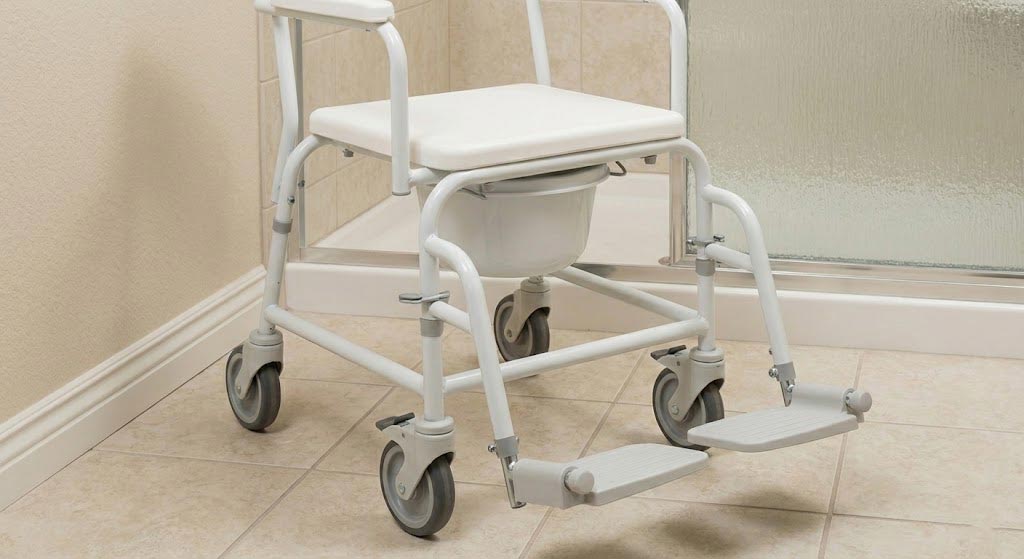
The shower chair may seem like a simple device, but it shows efficient and far-reaching effects in improving the quality of life and safety of people with limited mobility.
The benefits of using a shower chair go far beyond mere comfort. Shower chairs play multiple roles in improving the quality of life of people with mobility impairments, from fundamental fall prevention and enhanced stability to increasing personal independence and reducing physical fatigue. The following will explore in detail how shower chairs can become a necessary investment in enhancing safety, promoting health, and protecting personal dignity.